Introduction
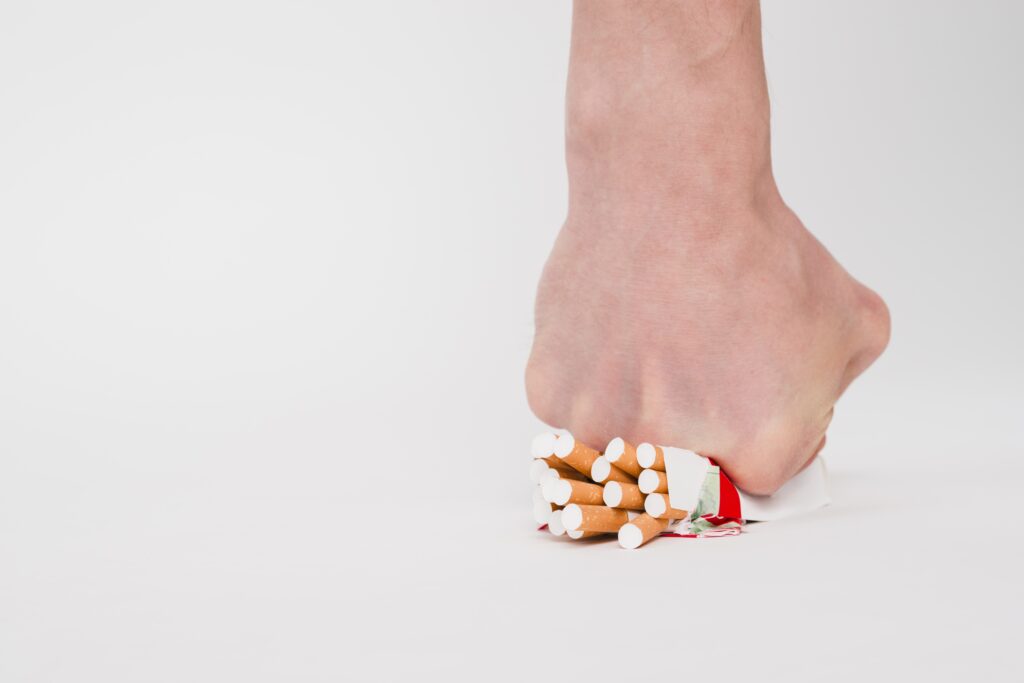
We often relate smoking to lung disease, but its effects run far deeper — quite literally — into the bloodstream. Smoking is one of the biggest risk factors for vascular disease, and it doesn’t just affect the heart. It damages the blood vessels that carry oxygen and nutrients throughout your body, leading to serious conditions like Peripheral Arterial Disease (PAD), stroke, and heart attacks.
What is Vascular Health?
Vascular health refers to the well‑being of the blood vessels — the arteries, veins, and capillaries that transport blood. Healthy vessels maintain optimal blood flow, allowing every organ and tissue to get the oxygen and nutrients it needs.
How Smoking Harms Your Blood Vessels
Each puff of a cigarette introduces harmful chemicals like nicotine, tar, and carbon monoxide into the bloodstream. These chemicals:
- Damage the Endothelial Lining: The endothelium is a thin layer of cells inside blood vessels that regulate blood flow. Smoking damages it, making it harder for vessels to dilate.
- Increase Plaque Build‑Up: Smoking accelerates the accumulation of fatty deposits (plaque), narrowing the vessels and leading to atherosclerosis.
- Make Blood Stickier: Nicotine increases blood thickness and promotes clot formation, raising the risk of blockages.
- Decrease Oxygen Availability: Carbon monoxide from smoke binds to hemoglobin, reducing oxygen delivery throughout the body.
The Consequences of Smoking on Vascular Health
- Peripheral Arterial Disease (PAD): Reduced blood flow to the legs and arms, leading to pain, infections, and even amputation.
- Coronary Artery Disease: Narrowed arteries can cause heart attacks.
- Stroke: Blockages in the brain can result in devastating neurological damage.
- Aneurysms: Weakened vessel walls can balloon and rupture, causing life‑threatening internal bleeding.
The Good News: It’s Never Too Late
Even long‑term smokers benefit from quitting:
- Within 20 minutes: Heart rate and blood pressure drop.
- In 1 year: Risk of heart disease is reduced by half.
- In 5 years: Risk of stroke is comparable to that of a nonsmoker.
Conclusion
Smoking doesn’t just affect your lungs — it compromises every artery and vein in your body. By quitting, you give your vascular system a chance to heal, reduce the risk of serious complications, and vastly improve your overall quality of life.
If you or a loved one needs help quitting, consult a doctor or a vascular specialist. Protect your vessels. Protect your life.